Vessel Memory ….is this the future?
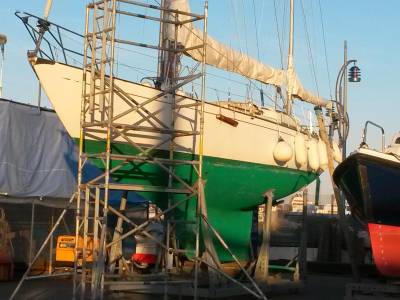
Boats Are Starting to Carry a Memory
When you buy a used boat, you're usually buying a guess.
The listing looks complete. A few photos, a recent survey, perhaps a mention of a refit or upgraded electronics. Enough to suggest care, but rarely enough to tell a full story.
Then the questions begin.
When was the engine last properly serviced? What exactly was done during that refit? Has the wiring been touched since installation? Was that repair structural, or cosmetic?
And more often than not, the answers are partial. Or uncertain. Or gone entirely.
For Neil Chapman, this isn't unusual — it's the pattern. After years of seeing boats move between owners, brokers, and listings, the same issue surfaces again and again: the history of a vessel rarely travels intact.
A boat changes hands, and with it, something intangible is lost. A folder goes missing. A previous owner forgets details. A yard invoice never makes it into the paperwork. What remains is a snapshot — not a story.
The Shape of the Problem
Once you start looking for it, the inconsistency becomes hard to ignore.
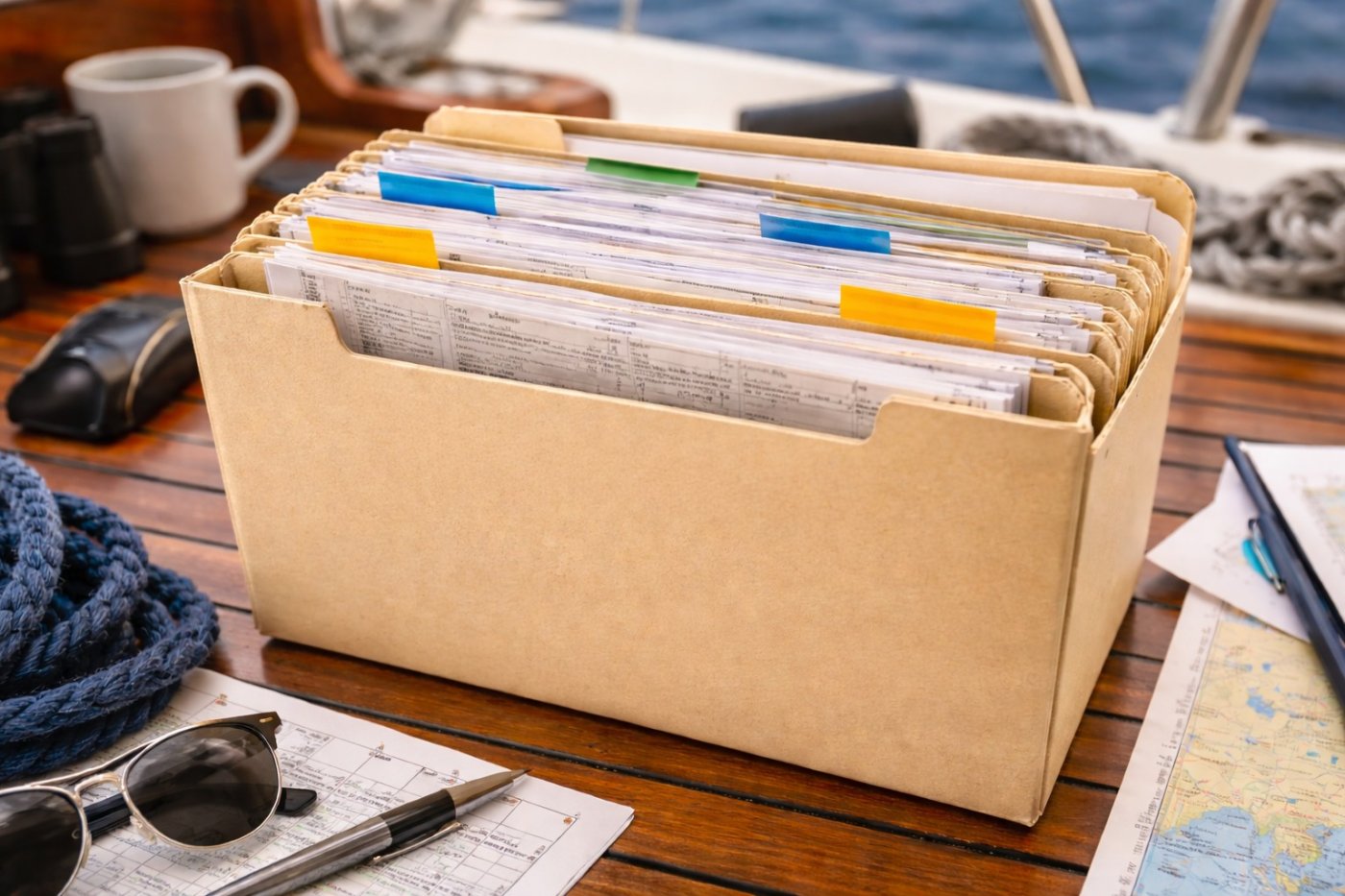
Some boats arrive with meticulous records. Thick folders. Carefully organised invoices. Handwritten notes documenting upgrades and seasonal maintenance. You can trace decisions, see patterns of care, understand how the boat has been treated overtime.
Others arrive with almost nothing.
A recent survey, perhaps. A vague recollection of work done "a few years ago."Gaps where critical information should be — engine hours, structural repairs, electrical changes.
Most sit somewhere in between.
But the pattern is clear: there is no standard. No continuity. No guarantee that what you're seeing represents the full life of the boat.
And this isn't just an inconvenience — it shapes decisions.
Buyers hesitate. Sellers struggle to evidence value. Brokers fill in gaps as best they can. Trust becomes something inferred rather than demonstrated.
Over time, it starts to feel less like an occasional problem, and more like a structural one.
An Idea Begins to Form
What if that didn't happen?
Not in the sense of better paperwork, or more disciplined record-keeping — but something more fundamental.
What if a boat could carry its history with it?
Not fragments, not snapshots, but a continuous, structured record. Something that moves with the vessel regardless of ownership, location, or transaction.
Maintenance logged over time. Repairs recorded in context. Refits documented clearly. Surveys stored alongside operational notes.
Not held by an individual, but attached to the boat itself.
It's a simple idea on the surface. Almost obvious once stated. But it represents a shift in how a vessel is understood — from a physical object with partial records, to something closer to an asset with memory.
Within Boatshed Labs, this idea has started to take shape. Not as a finished product or system, but as a direction — a way of thinking about how information might persist, rather than disappear.
Where It Comes From
For Neil, the idea isn't abstract.
It's built from repetition.
Thousands of listings. Thousands of conversations. The same questions resurfacing, the same gaps appearing, the same sense that something important has been lost between one owner and the next.
It's not that people don't care. In many cases, they do. Owners invest time and money into their boats. They maintain them, improve them, rely on them.
But the system around the boat doesn't hold that effort in place.
So the thinking begins to shift.
Not "how do we collect more information?" But "how do we stop losing it?"
And from there, something more directional emerges: if a boat's history could persist —reliably, consistently — what would that change?
What Changes When Memory Persists
The immediate impact is clarity.
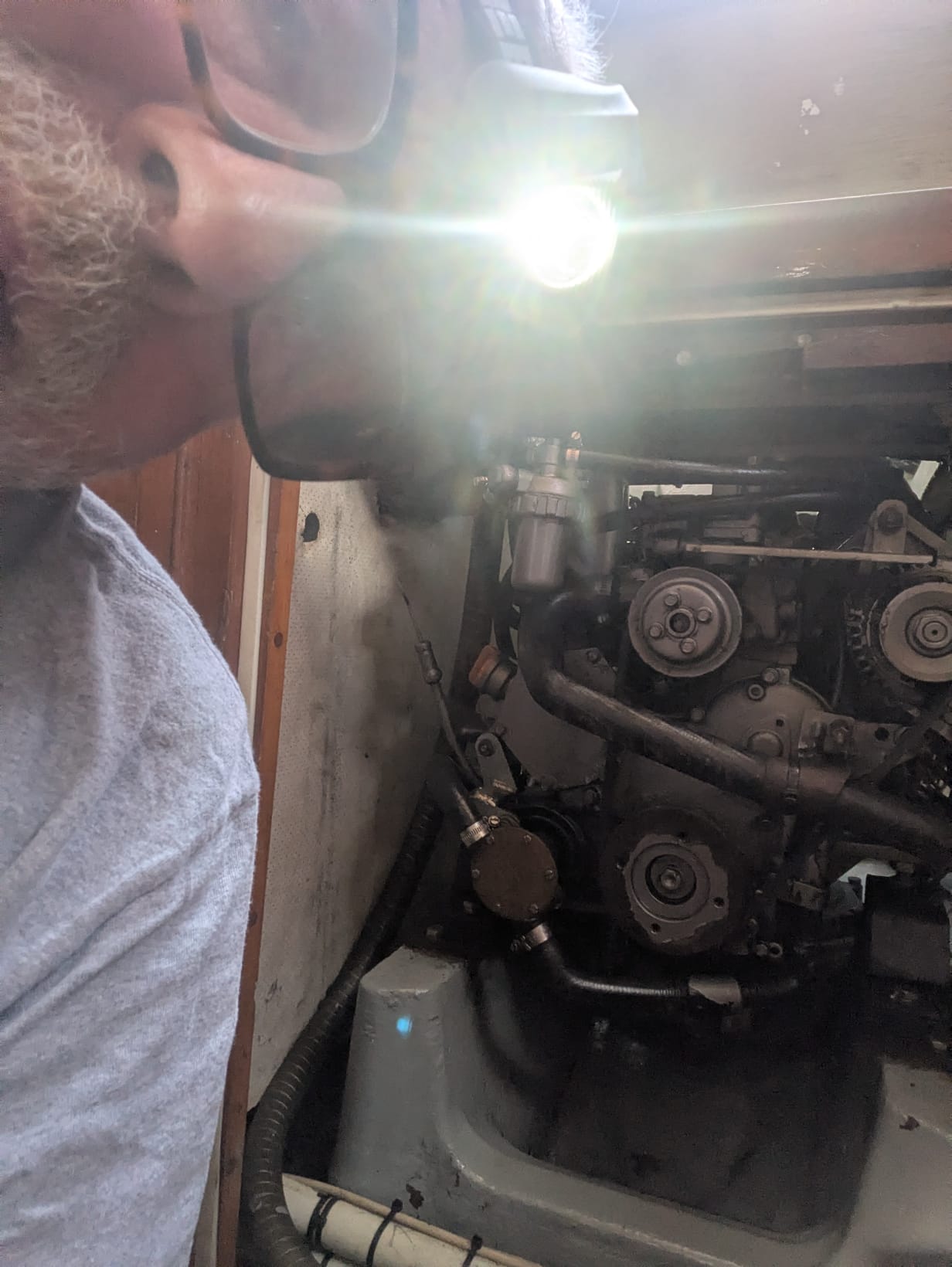
A buyer no longer relies on fragments or interpretation. They can see what has happened to the boat, over time, in context. Decisions become more informed and less speculative.
For sellers, the dynamic shifts as well. A well-maintained boat is no longer just described — it's evidenced. Care becomes visible and investment becomes traceable.
Over time, that begins to affect value.
Not just in price, but in confidence.
Trust, which is often built slowly and cautiously in boat transactions, becomes easier to establish. Less dependent on assumption. More grounded in something tangible.
And as this becomes more common, expectations start to move.
What once felt like a bonus — detailed records, clear history — begins to feel standard. Then expected. Then, perhaps, essential.
The Friction That Remains
It's not a simple transition.
Capturing consistent data is difficult. Boats vary widely in how they're used, maintained, and documented. Standardising that without losing nuance is a challenge.
Verification introduces another layer. Not all information is equal. Some records are precise, others subjective. Deciding what can be trusted — and how — matters.
Then there's adoption.
For something like this to work, it can't sit in isolation. Owners, brokers, yards— each plays a role in how information is created and maintained. Without alignment, gaps could simply reappear in a different form.
These aren't minor obstacles. They shape how — and whether — the idea can take hold.
But acknowledging them doesn't diminish the direction. If anything, it sharpens it.
A Wider Shift
Boating isn't the first space to encounter this.
Other industries have already moved toward persistent records. Vehicles carry digital service histories. Assets are tracked, updated, and understood through the data that surrounds them.
Not perfectly. Not universally. But enough to shift expectations — and once that happens, it rarely reverses.
Boating may move more slowly. The diversity of vessels, the fragmented nature of the market, the reliance on individual ownership — all of it adds complexity.
But the underlying pressure is the same: history that disappears creates uncertainty, and uncertainty creates friction. For buyers, sellers, brokers, and the industry alike.
Where This Leads
The idea of vessel memory is still forming — shaped by observation, tested against reality, adjusted as it meets the practicalities of the industry.
But the direction feels increasingly difficult to ignore.
Boats, for all their complexity and character, still lose parts of their story as they move through time. The question isn't whether that matters. It clearly does.
The question is whether it has to.
Find out more about about the concept of vessel memory at Boatshed Labs.